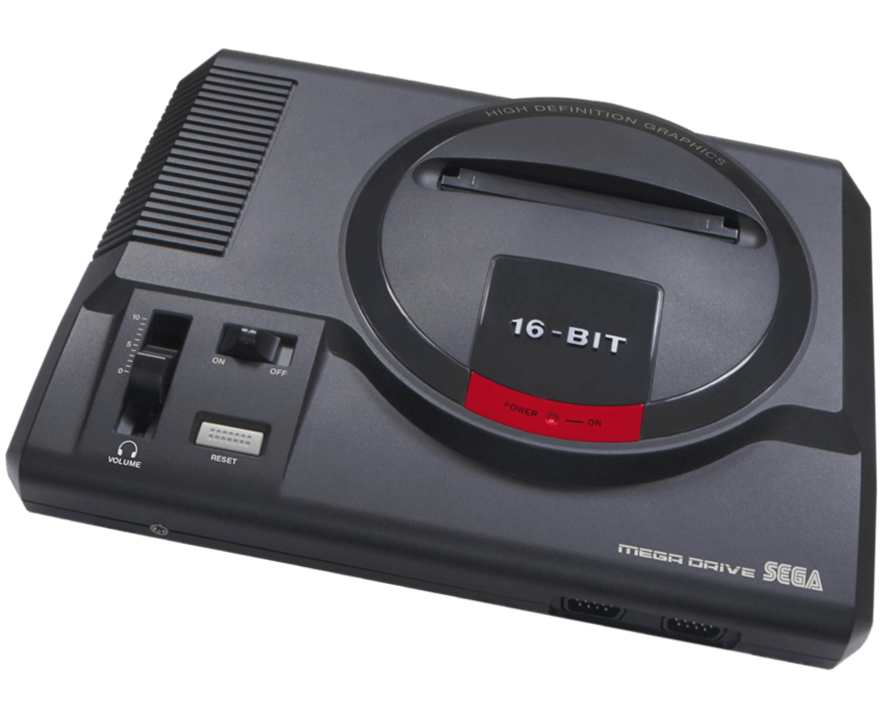
Mega Drive
Sega Genesis
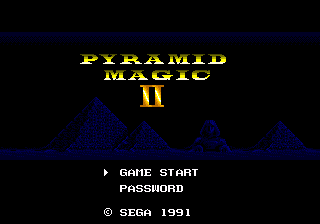
Pyramid Magic 2
Puzzle
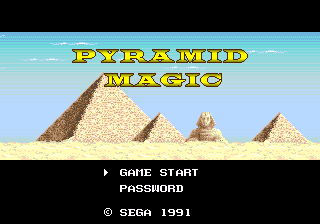
Pyramid Magic
Puzzle
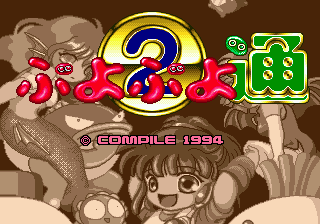
Puyo Puyo 2
Puzzle / Fall
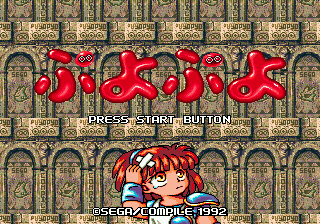
Puyo Puyo
Puzzle / Fall
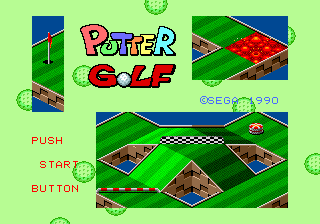
Putter Golf
Sports / Golf
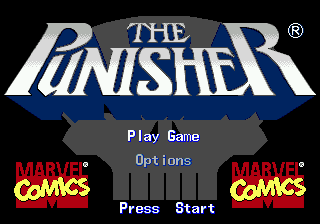
Punisher, The
Beat'em Up
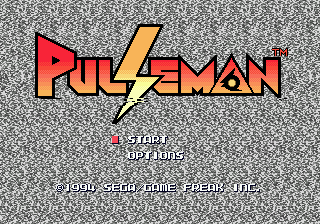
Pulseman
Platform
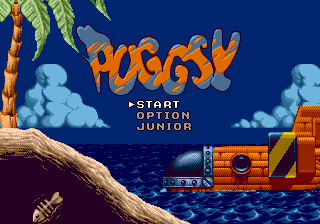
Puggsy
Platform
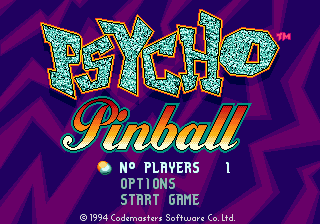
Psycho Pinball
Pinball
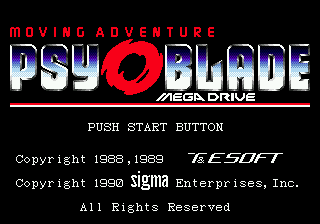
Psy-o-blade
Adventure
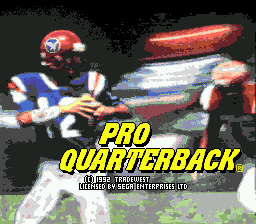
Pro Quarterback
Sports / Football (American)
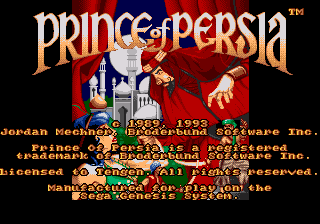
Prince Of Persia
Platform
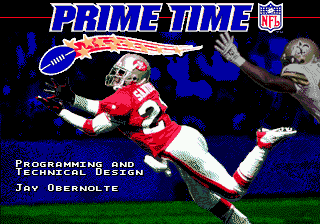
Prime Time Nfl Starring Deion Sanders
Sports / Football (American)
Premier Manager
Sports / Football (Soccer)
Premier Manager 97
Sports / Football (Soccer)
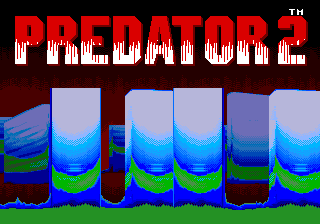
Predator 2
Shooter
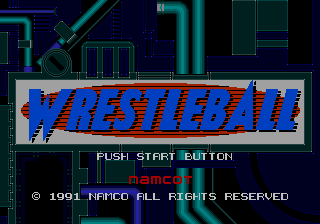
Wrestleball
Sports / Rugby
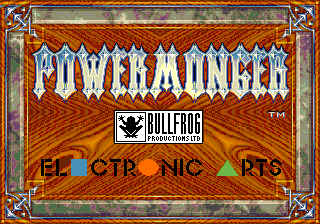
Power Monger
Strategy
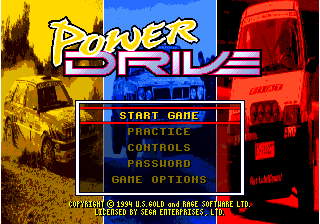
Power Drive
Racing, Driving

Populous 2 - Two Tribes
Strategy
The Legacy of the Sega Mega Drive (Genesis)
The Sega Mega Drive, known as the Sega Genesis in North America, is a 16-bit fourth-generation home video game console developed and sold by Sega. Released in Japan in 1988, in North America in 1989, and worldwide shortly after, the console was Sega's ultimate answer to the dominance of the 8-bit era. With its sleek black design, iconic "16-BIT" gold lettering, and a library of games that emphasized speed, action, and mature themes, the console permanently altered the landscape of the video game industry.
Powered by a Motorola 68000 processor running at 7.6 MHz, alongside a Zilog Z80 coprocessor for audio, the hardware allowed for fast-paced arcade ports and completely original experiences that older consoles simply could not handle. This architecture made it relatively easy for developers to program for, leading to an expansive and diverse library of over 900 titles during its lifespan.
The 16-Bit Console War
The early 1990s were defined by one of the most famous rivalries in entertainment history: Sega vs. Nintendo. While Nintendo relied on family-friendly titles and a slower, methodical approach, Sega marketed the Mega Drive aggressively towards teenagers and young adults. The famous "Genesis does what Nintendon't" campaign highlighted the console's "Blast Processing," a marketing term used to emphasize its superior processing speed and graphical capabilities at the time.
This rivalry fueled an era of incredible innovation. Developers were pushed to their limits to create games that looked and sounded better than the competition. The introduction of peripherals like the Sega CD and the 32X attempted to extend the console's lifespan, adding full-motion video, CD-quality audio, and early 3D polygon capabilities. Though these add-ons had mixed commercial success, they cemented the Mega Drive as a hub of hardware experimentation.
A Library of Timeless Classics
No discussion of the Mega Drive is complete without mentioning its undisputed mascot: Sonic the Hedgehog. Released in 1991, Sonic was designed specifically to showcase the console's speed, featuring multi-layered scrolling backgrounds and incredibly fast gameplay that left players breathless. The blue blur became a global phenomenon, spawning sequels like Sonic 2, Sonic 3, and Sonic & Knuckles.
Beyond platformers, the console became a haven for various genres. Beat 'em up fans were treated to the legendary Streets of Rage trilogy and Golden Axe. RPG enthusiasts explored rich worlds in Phantasy Star IV and Shining Force. Action lovers faced punishing difficulty in Contra: Hard Corps and Gunstar Heroes. Furthermore, Sega's console was widely considered the premier destination for sports games, heavily bolstered by the success of the early Madden NFL, NHL, and FIFA franchises, which ran smoother and faster on Sega's hardware.
Emulation and Preservation
Today, the Sega Mega Drive enjoys a massive and dedicated retro gaming community. Through emulation, these classic titles are preserved for future generations to experience exactly as they were in the 90s, complete with CRT scanline filters and perfect audio reproduction of the Yamaha YM2612 sound chip. Here at EmuCentral, we pride ourselves on offering a comprehensive archive of these masterpieces. Whether you're revisiting your childhood favorites or discovering 16-bit gems for the very first time, the Mega Drive library remains as engaging, challenging, and vibrant as ever.