
Super Nintendo
SNES
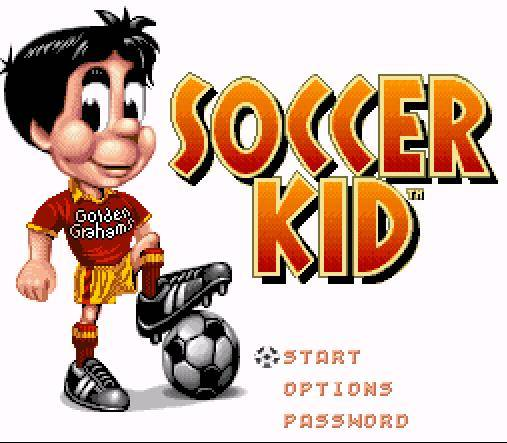
Soccer Kid
Platform

Adventures Of Dr. Franken, The
Platform
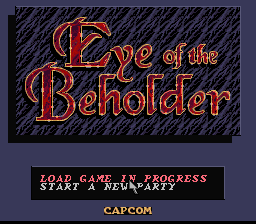
Eye Of The Beholder
Dungeon Crawler RPG

Addams Family - Pugsley's Scavenger Hunt, The
Platform
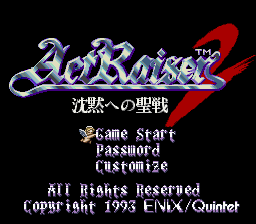
Actraiser 2
Platform / Fighter Scrolling
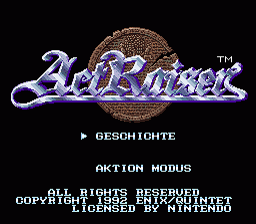
Actraiser
Simulation

Acme Animation Factory
Educational

Abc Monday Night Football
Sports / Football (American)
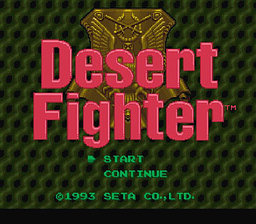
Desert Fighter
Shooter
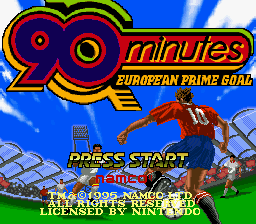
90 Minutes - European Prime Goal
Sports / Football (Soccer)
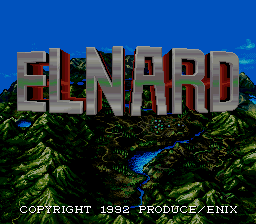
7th Saga, The
Role Playing Game

Super Mario World
Platform / Run & Jump

Chrono Trigger
Role Playing Game

Final Fantasy 5
Role Playing Game

Final Fantasy 4
Role Playing Game
The History of the Super Nintendo Entertainment System
The Super Nintendo Entertainment System, commonly known as the Super Nintendo or SNES, is one of the most iconic video game consoles ever created. Developed and published by Nintendo, the system marked a defining moment in the evolution of home entertainment. Released in the early 1990s, the Super Nintendo built upon the massive success of its predecessor, the Nintendo Entertainment System (NES), and helped shape what many consider the golden age of 16-bit gaming.
The origins of the Super Nintendo can be traced back to the late 1980s, when the video game industry was rapidly evolving. Nintendo had already revitalized the North American gaming market after the crash of 1983 with the NES. However, technological advancements and growing competition—particularly from Sega and its Genesis console—pushed Nintendo to develop a more powerful successor. The company aimed to create a system capable of delivering richer graphics, more complex gameplay mechanics, and enhanced audio experiences.
The console was first released in Japan in 1990 under the name Super Famicom. It quickly became a commercial success, selling out within hours of its launch. Japanese gamers were captivated by its improved 16-bit processor, vibrant color palette, and immersive sound capabilities. The system allowed developers to create more detailed sprites, smoother animations, and expansive worlds that were previously impossible on 8-bit hardware.
In 1991, Nintendo introduced the system to North America as the Super Nintendo Entertainment System. The design was slightly different from the Japanese version, featuring a more angular aesthetic and purple accents. The European release followed in 1992. Across all regions, the SNES maintained its core hardware strengths: a Ricoh 5A22 processor, advanced graphics modes including the famous Mode 7, and a Sony-designed audio chip that delivered high-quality music and sound effects.
One of the most revolutionary aspects of the Super Nintendo was its graphical capabilities. Mode 7, in particular, allowed developers to rotate and scale backgrounds in real time, creating the illusion of three-dimensional environments. This technology was famously used in titles like F-Zero and Super Mario Kart, offering players a sense of depth and speed that felt groundbreaking at the time. These innovations made the SNES stand out in a fiercely competitive market.
The strength of the Super Nintendo was not only in its hardware but also in its extraordinary library of games. Nintendo and third-party developers released a wide range of titles that are still celebrated today. Super Mario World launched alongside the console and demonstrated its capabilities with colorful levels and fluid animation. The Legend of Zelda: A Link to the Past expanded the action-adventure genre with a rich overworld and intricate dungeons. Meanwhile, role-playing games such as Final Fantasy VI and Chrono Trigger showcased deep storytelling and complex character development.
The competition between Nintendo and Sega during the 16-bit era became legendary. Sega’s marketing campaigns targeted an older audience and promoted the Genesis as the edgier alternative. In response, Nintendo focused on quality, innovation, and family-friendly branding. The rivalry drove both companies to push technological boundaries and deliver increasingly ambitious games. This period, often referred to as the “console wars,” played a crucial role in expanding the global gaming audience.
Another important chapter in the SNES story involves its relationship with Sony. Initially, Nintendo partnered with Sony to develop a CD-ROM add-on for the Super Nintendo. However, disagreements over licensing and control led Nintendo to abandon the partnership. This decision ultimately inspired Sony to create its own console, the PlayStation, which would later become one of Nintendo’s greatest competitors. Although the SNES never officially received a CD-based expansion, this turning point had a lasting impact on the gaming industry.
Throughout the mid-1990s, the Super Nintendo continued to receive high-profile releases. Games such as Donkey Kong Country demonstrated advanced pre-rendered graphics that rivaled early 3D visuals. Super Metroid refined atmospheric exploration and non-linear design, influencing countless future titles. Street Fighter II brought the arcade fighting experience into living rooms and significantly boosted console sales. The SNES became a platform known for both innovation and artistic excellence.
As technology advanced, the industry began shifting toward 3D graphics and CD-based systems. By the mid-to-late 1990s, newer consoles like the Nintendo 64 and Sony PlayStation captured the spotlight. Production of the Super Nintendo gradually declined, and the console was eventually discontinued in the early 2000s in some regions. Despite this, its impact never faded. With over 49 million units sold worldwide, the SNES secured its place among the best-selling consoles in history.
The legacy of the Super Nintendo extends far beyond its commercial success. It established design principles and gameplay standards that continue to influence modern game development. Many titles from the SNES era are frequently included in lists of the greatest video games of all time. The console’s emphasis on tight controls, memorable soundtracks, and polished design remains a benchmark for quality.
In recent years, Nintendo has celebrated the SNES legacy through re-releases and digital platforms. Classic titles have been made available through services like the Virtual Console and Nintendo Switch Online. In 2017, Nintendo released the Super NES Classic Edition, a miniature version of the original console preloaded with beloved games. The product quickly sold out, proving that nostalgia and appreciation for the 16-bit era remain strong.
Ultimately, the Super Nintendo Entertainment System represents a transformative period in gaming history. It bridged the gap between the early days of simple arcade-style games and the immersive experiences that define modern interactive entertainment. By combining technical innovation, creative ambition, and a legendary game library, the SNES earned its reputation as one of the greatest consoles ever made. Its influence can still be felt today, not only in the games people continue to play, but in the very foundations of game design and storytelling.